Technical note TN-07 Spec sheet
Kazoku
A 3-month NFT project completed in partnership with Virstate.io
- Issued
- Reading
- 5 min read
- Class
- Freelance
- Keywords
- Format
- Raw Markdown
On this page
Links
| Label | Link |
|---|---|
| Mint | https://mint.nftkazoku.com/ (the site is closed, but you can view the media at the bottom of the page) |
| Manager | https://manager.nftkazoku.com/ (the site is closed, but you can view the media at the bottom of the page) |
| OpenSea | https://opensea.io/collection/the-kazokus |
| Etherscan | https://etherscan.io/address/0x60193d4ab61c2872caa509ee532f9db169730a46 |
| https://twitter.com/KazokuNFT |
Project recap
Kazoku is an NFT project started in January 2022. Its initial goal was to promote a web3 ecosystem integrated into The Sandbox.
Several features were developed for the project’s benefit:
- Smart contract for minting
- Smart contract for tokens
- Smart contract for a marketplace
- Smart contract for a staking system
- Interface to interact with each smart contract
- DAO system (web2/web3)
- Infrastructure for automated deployment
The project took longer than planned to release, due to the communication difficulties inherent in this type of project.
The crypto crash caused by LUNA occurred during the project’s launch period, which greatly slowed down sales.
The entire collection was minted by the community (~180 holders), but the mint price had to be significantly reduced.
Key points of the project
The mint contract
This is the foundation of any NFT project: a smart contract capable of issuing non-fungible tokens. Several standards exist, each with its advantages and disadvantages. The most well-known are ERC721, ERC721A, and ERC1155. For this project, the ERC721A from Azuki was chosen.
This implementation has the advantage of offering multiple mints at low cost, like ERC1155, while keeping the basic ERC721 implementation.
The implementation of the ERC721A contract used for the Kazoku project differs in two ways:
URL management
An override of the functions used to retrieve the URLs pointing to the metadata of the NFTs.
function tokenURI(uint256 tokenId) public view override returns (string memory)
function _baseURI() internal view override returns (string memory)
The goal of this change is to display a so-called “placeholder” image before revealing the real designs to users.
Adding a signlist
Many NFT projects use a whitelist system to favor and reward certain members of their community. There are several ways to implement whitelists in Solidity, but the most optimized technique I have found to date is based on signing addresses.
- An account A is used to sign the address of the buyer B.
- The signature is sent as an argument when calling the mint function.
- The smart contract uses the
recovermethod to prove the authenticity of the signature based on the sender.
Here is an example of the function used to verify the validity of the signature:
/**
* @dev Does the user is whitelisted.
* Return 1 for yes else 0.
*/
function isWhiteList(bytes calldata _signature, address _targetSigner) view internal returns (uint8) {
	if (_targetSigner == keccak256(abi.encodePacked(
			"\x19Ethereum Signed Message:\n32",
			bytes32(uint256(uint160(msg.sender)))
	)).recover(_signature)) {
		return 1;
	}
		return 0;
}
For more information, I talk about it on my Instagram.
The resolver
When a third-party service wants to display the visual representation of an NFT, it must call the tokenURI(uint256 tokenId) function to obtain a URL where the NFT information is located, in JSON format most of the time.
Several services, such as Pinata, let you easily upload your metadata online. However, I am not a fan of these solutions because you are no longer in control of your data, some of these services are paid, and you depend on their resilience.
That’s why I set up a Python application using FastAPI and the Alchemy API to create my own metadata resolver.
The tokenURI method of my smart contract redirects to this microservice running on one of my servers. I then use Alchemy’s services to determine whether the requested NFT has already been minted or not. If it has, I return the corresponding metadata.
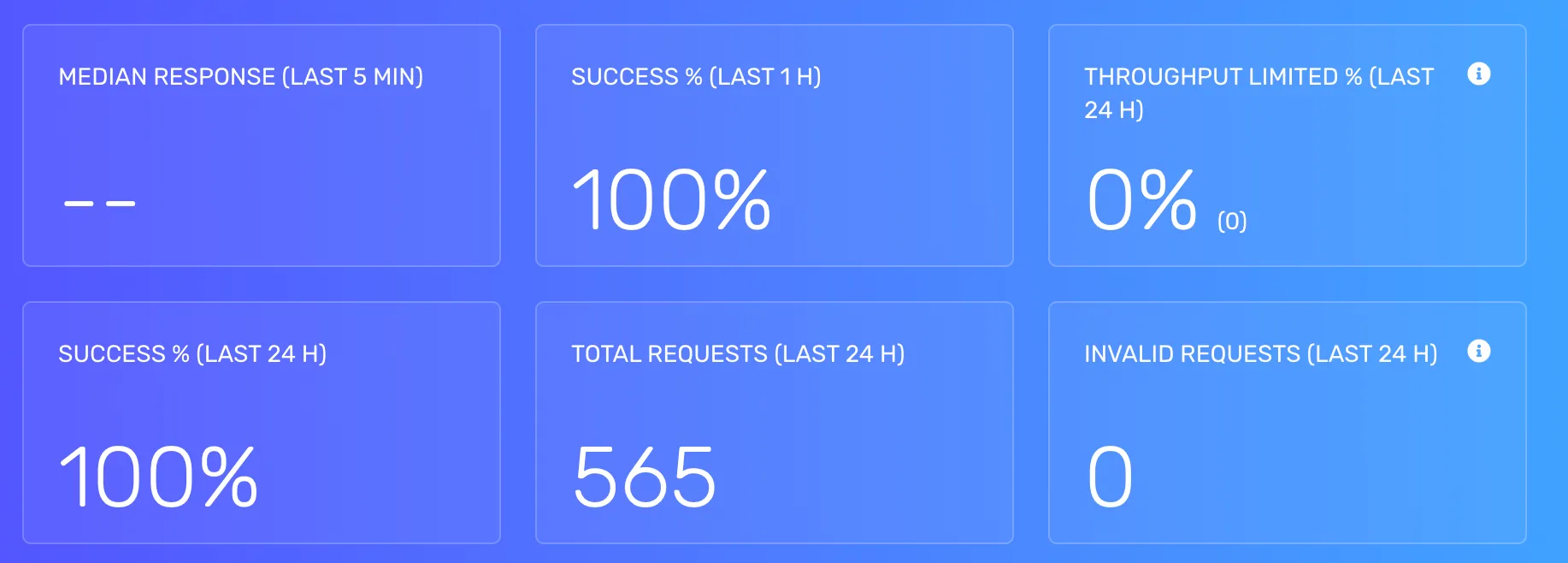
Alchemy dashboard used to measure the usage of their API.
And what about data decentralization?
This system has a flaw: the NFT metadata is stored on a conventional server. However, this is not a deal-breaker for this type of project.
- Images are stored on IPFS; only metadata such as the name, description and attributes is stored on the server.
- To ensure data integrity, the hashes of all the metadata are made public at the beginning of the sale, and a way to verify their validity is provided.
- The user always has the option to freeze their data via OpenSea.
- Most NFT projects wish to make some adjustments shortly after their release. This gives them a little more flexibility while staying in line with their community.
DApps and other features
This project is not only about a mint contract. In its initial version, a whole ecosystem of DApps was supposed to be deployed: a staking application, a marketplace, an ERC20 token, and a voting system.
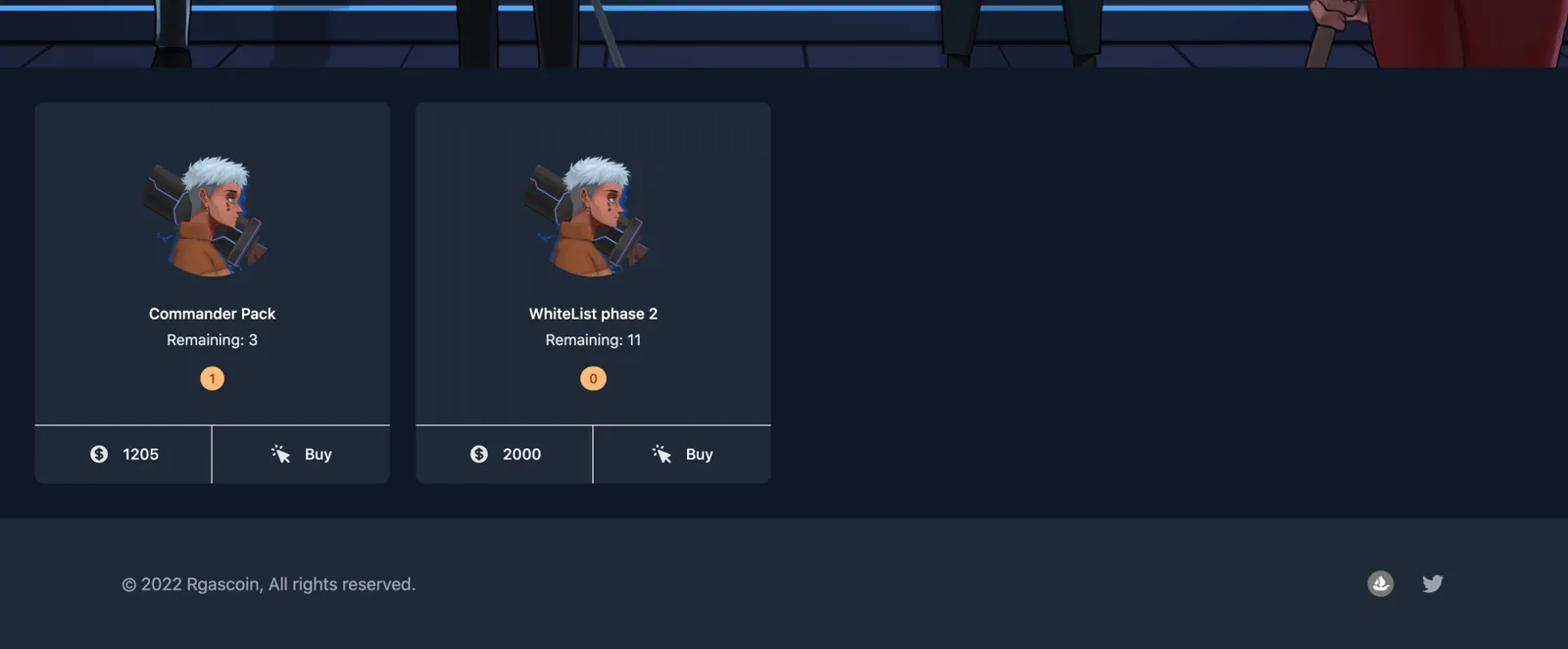
The ERC20 token, called $OHZ, could only be generated through the staking system. It was used to purchase items on the marketplace.
To regulate the number of tokens in circulation, the tokens spent on a marketplace purchase were burned.
The staking system is divided into two categories:
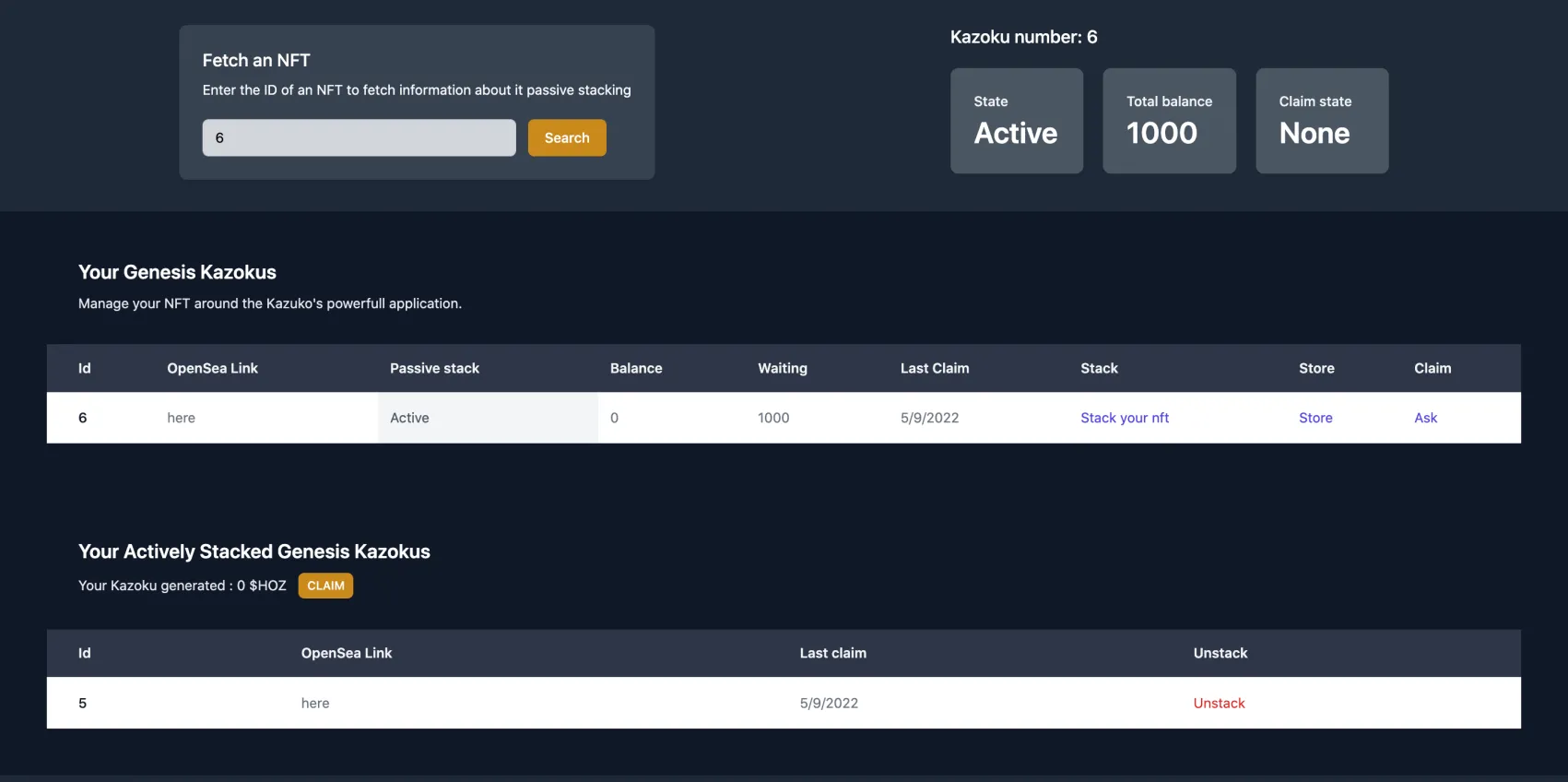
- Active staking: you need to deposit your NFT in a contract to generate rewards.
- Passive staking: you can simply keep your NFT to generate rewards.
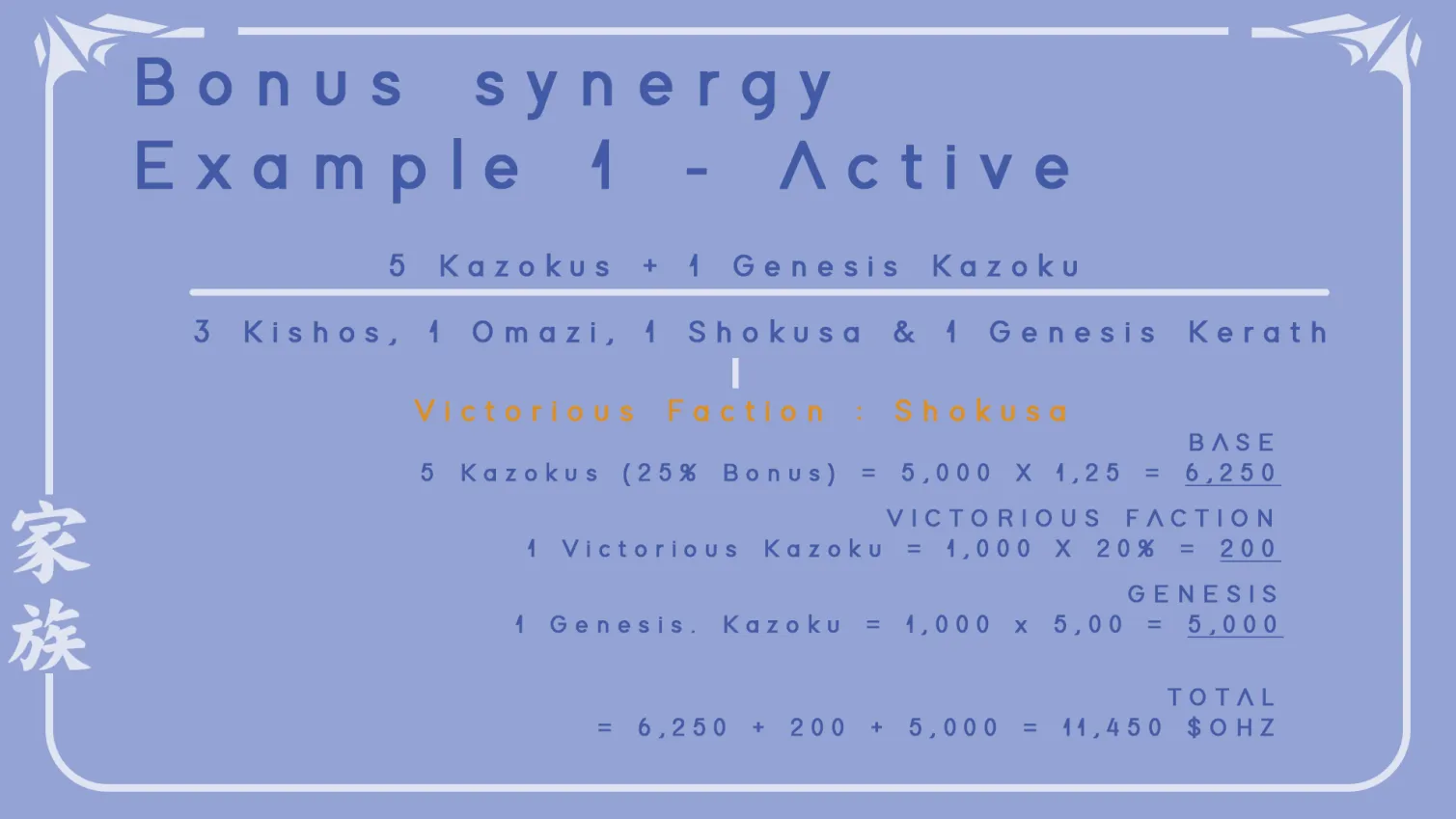
A rigorous implementation had to be put in place for this contract. Many parameters had to be taken into account, such as the faction of the NFT, its rarity, and whether the faction was in a winning period.
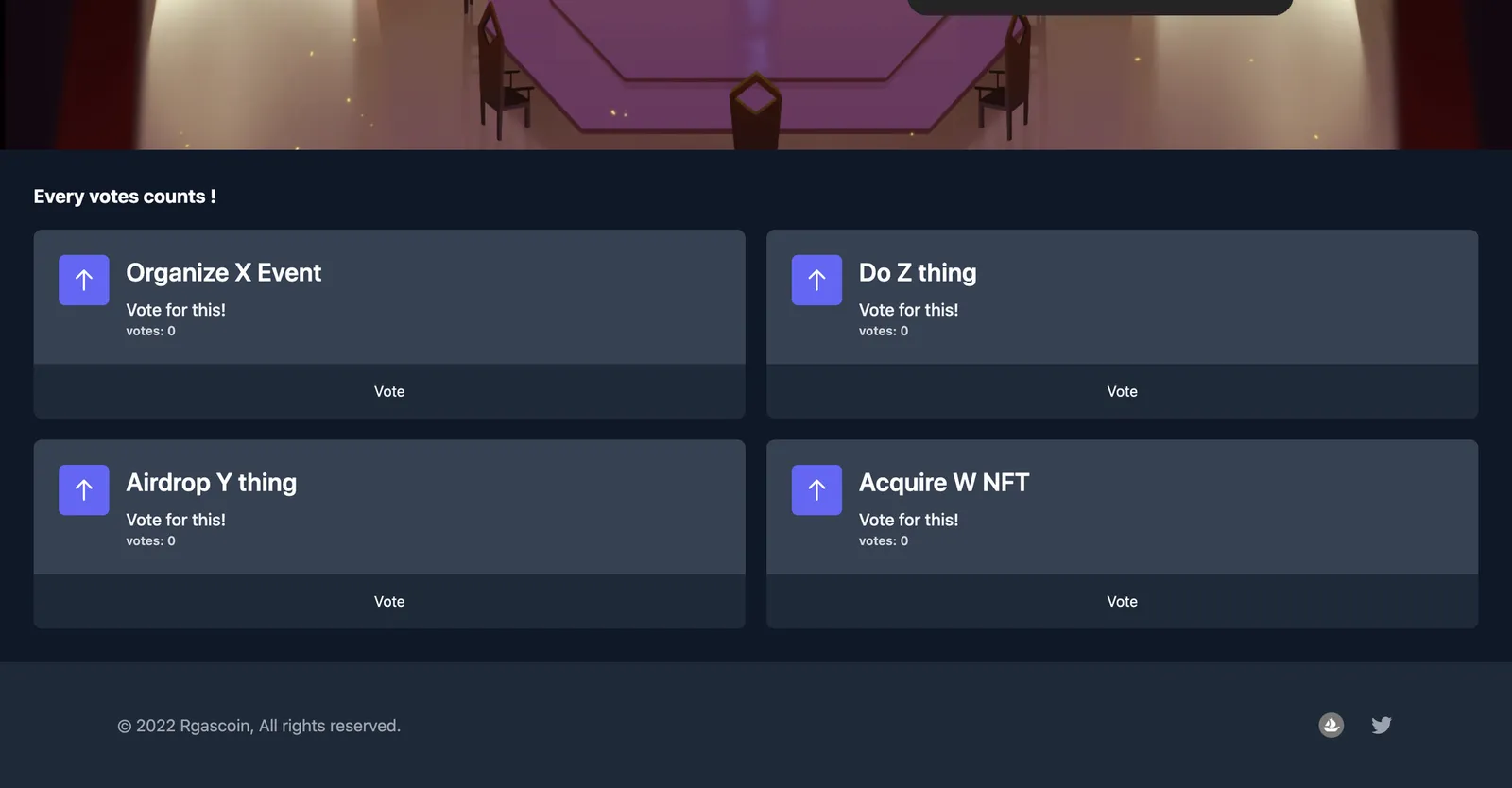
The voting system is more traditional: it relies on an API linked to an RPC to verify whether the user holds NFTs from the collection, and thus whether they are eligible to vote. Once a person has voted, their address is temporarily blacklisted.
This web2 system was chosen by the project managers to avoid excessive gas fees for user interactions and for the Kazoku ecosystem.
Integration on a website
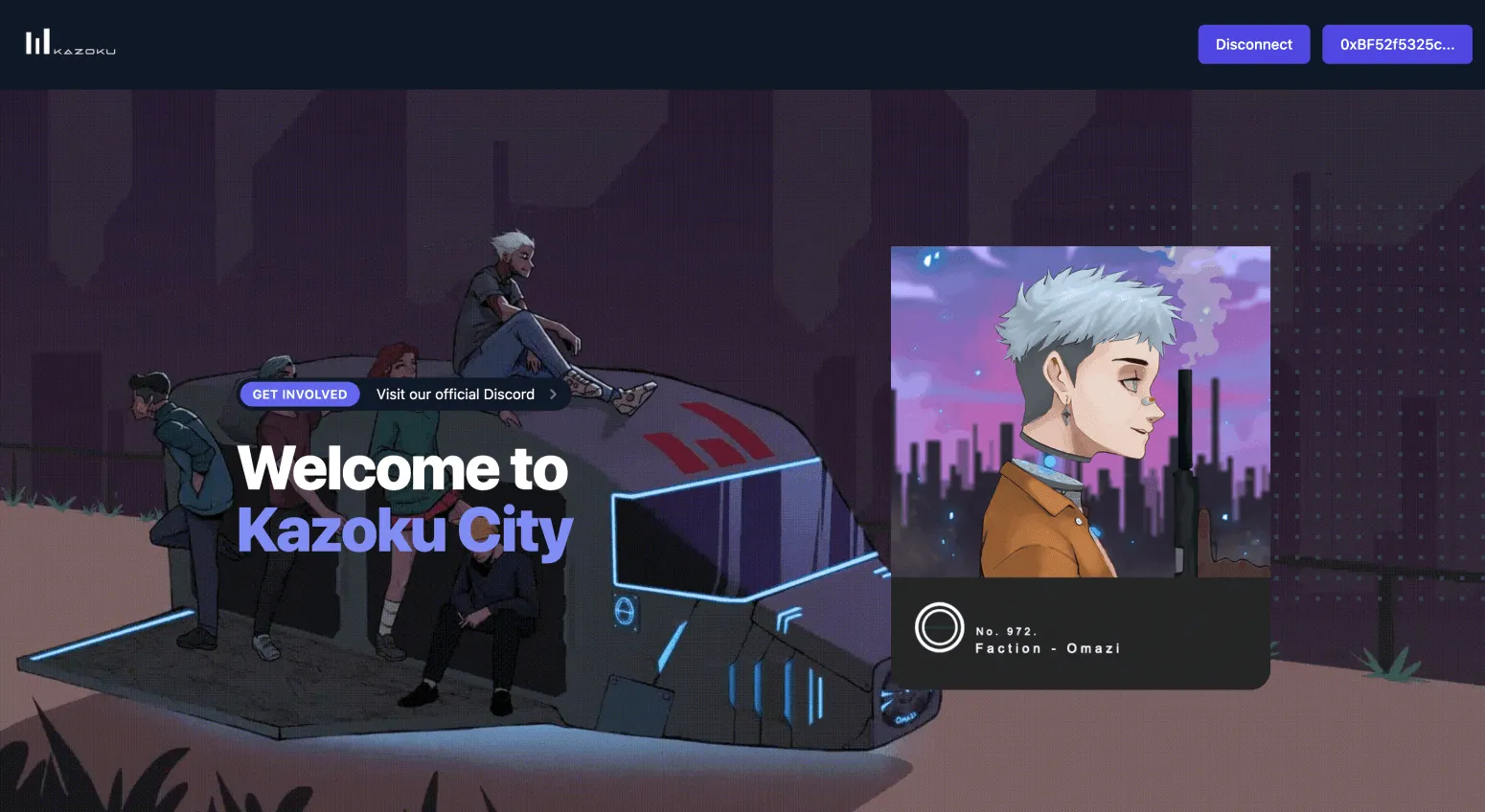
Two Next.js applications were deployed for the project: one to allow NFT minting, and another to let users interact with the different DApps of the project.
A web3 module allows different wallet providers to connect to the sites.
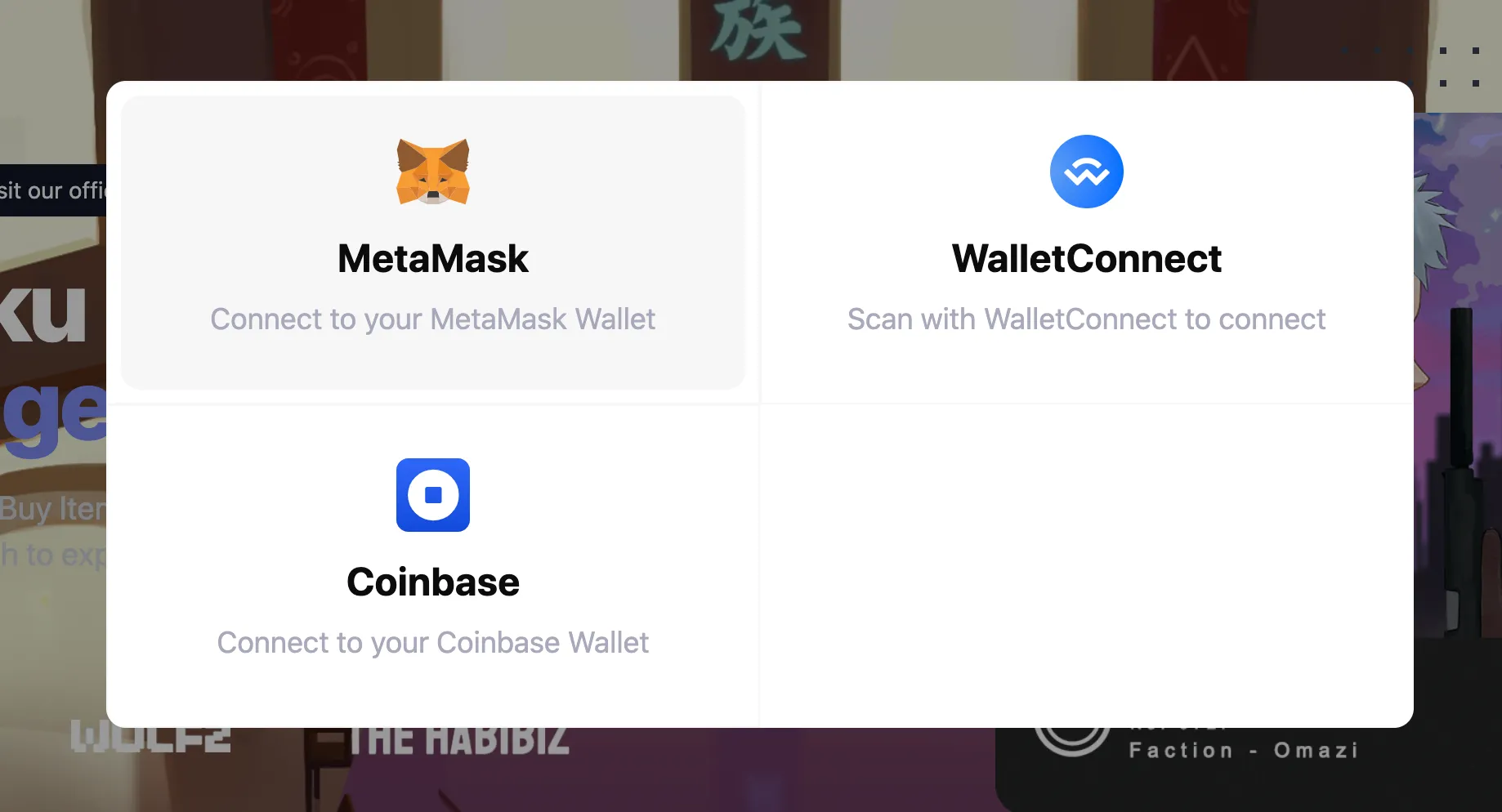
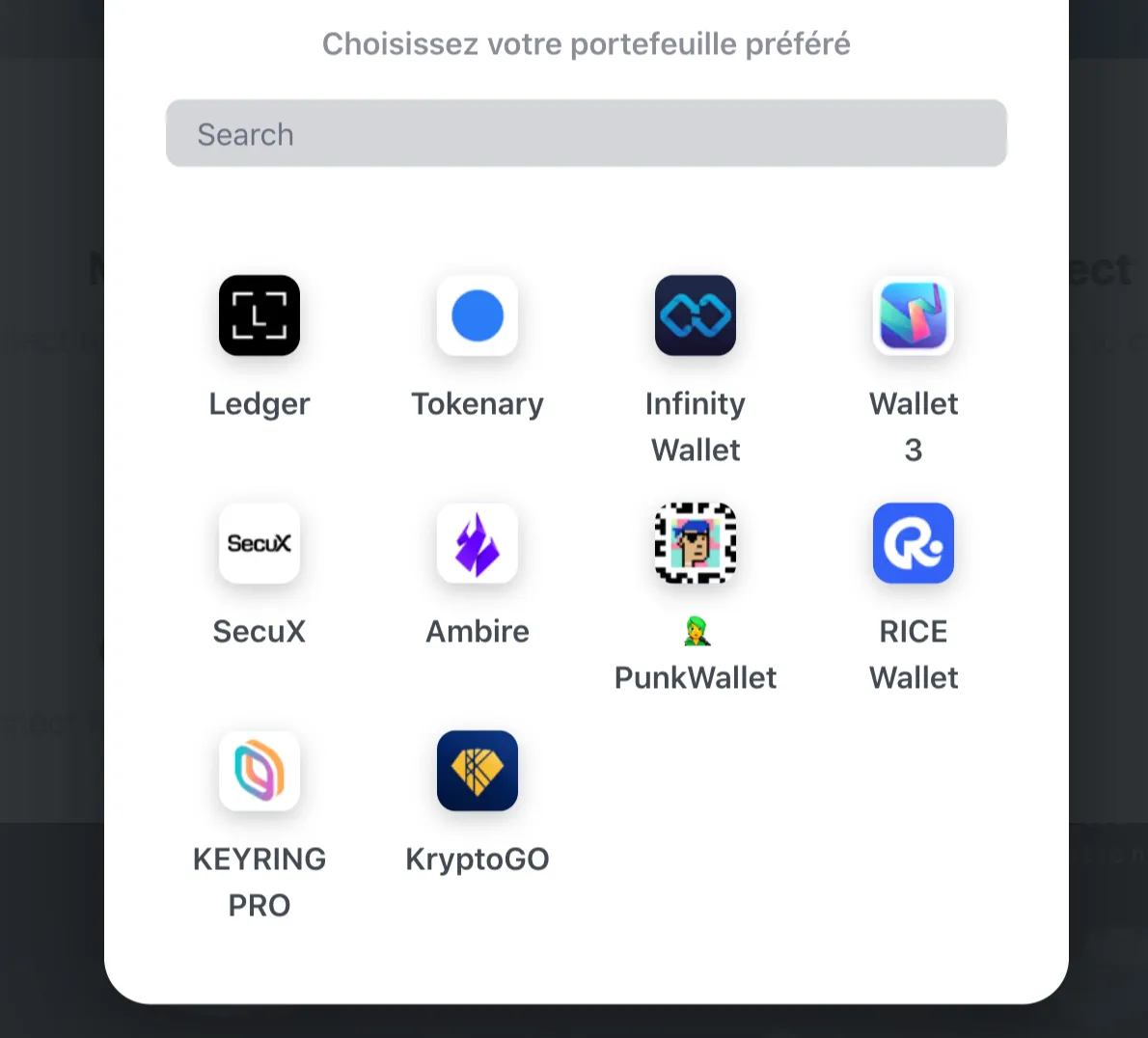
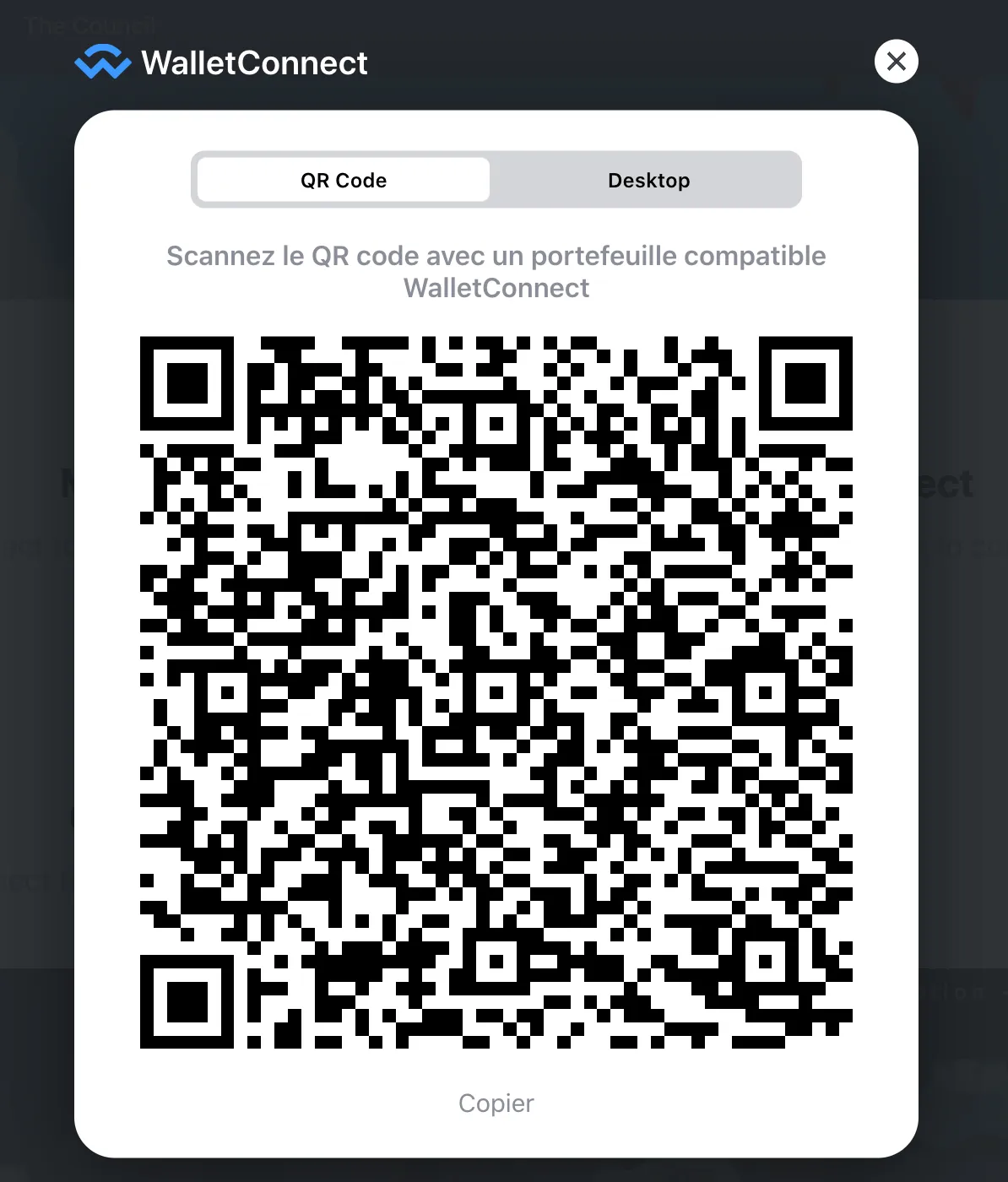
Once logged in, the user can freely use the DApps with their wallet and sign transactions. Infura services are used to run certain providers.
Deployment automation
To allow for maximum responsiveness during the deployment or development phases, many tasks are automated.
For the deployment of the smart contracts, scripted deployment pipelines were created to avoid paying high gas fees.
Numerous unit and functional tests cover all the project’s features, and modules also make it possible to predict the amount of gas that will be consumed by the different methods. Security audits are also carried out using tools such as Slither.
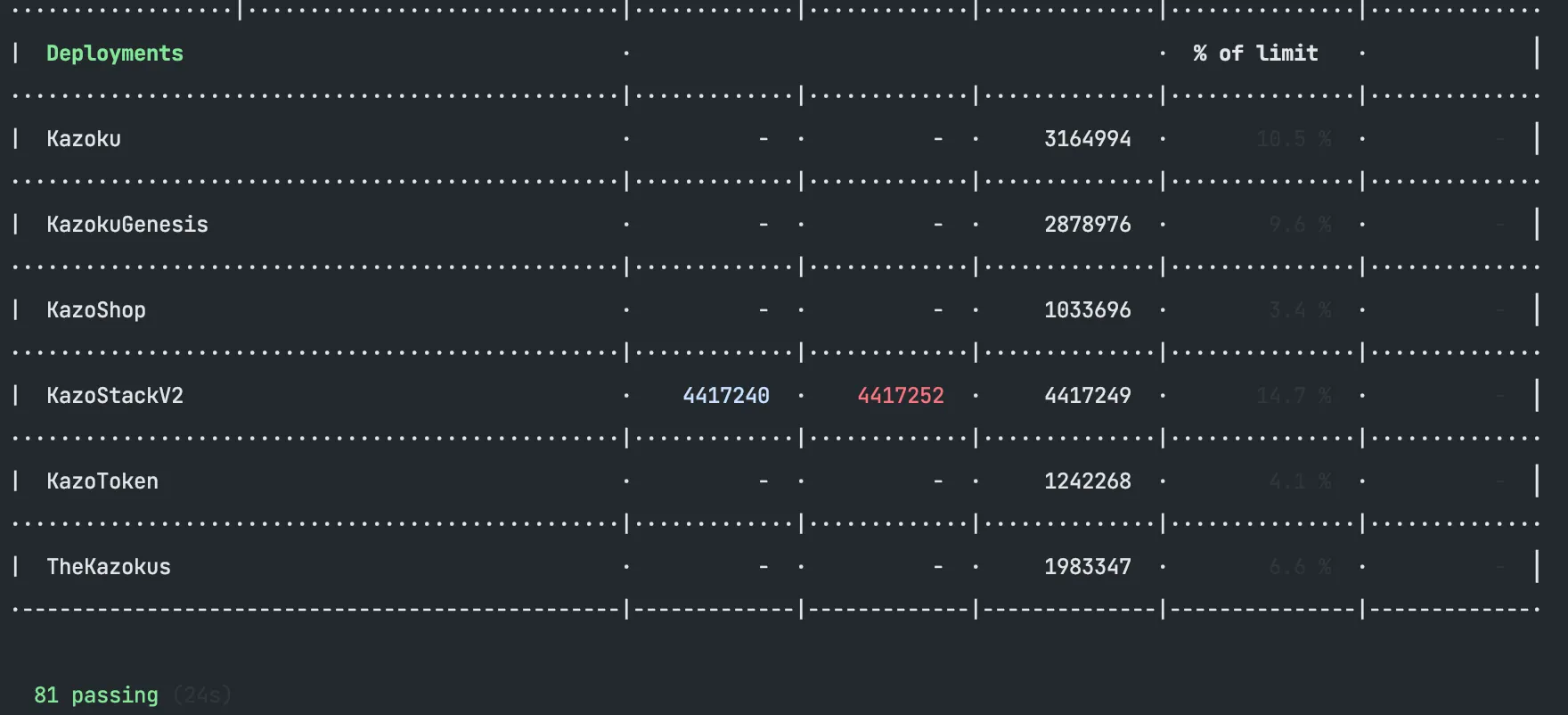
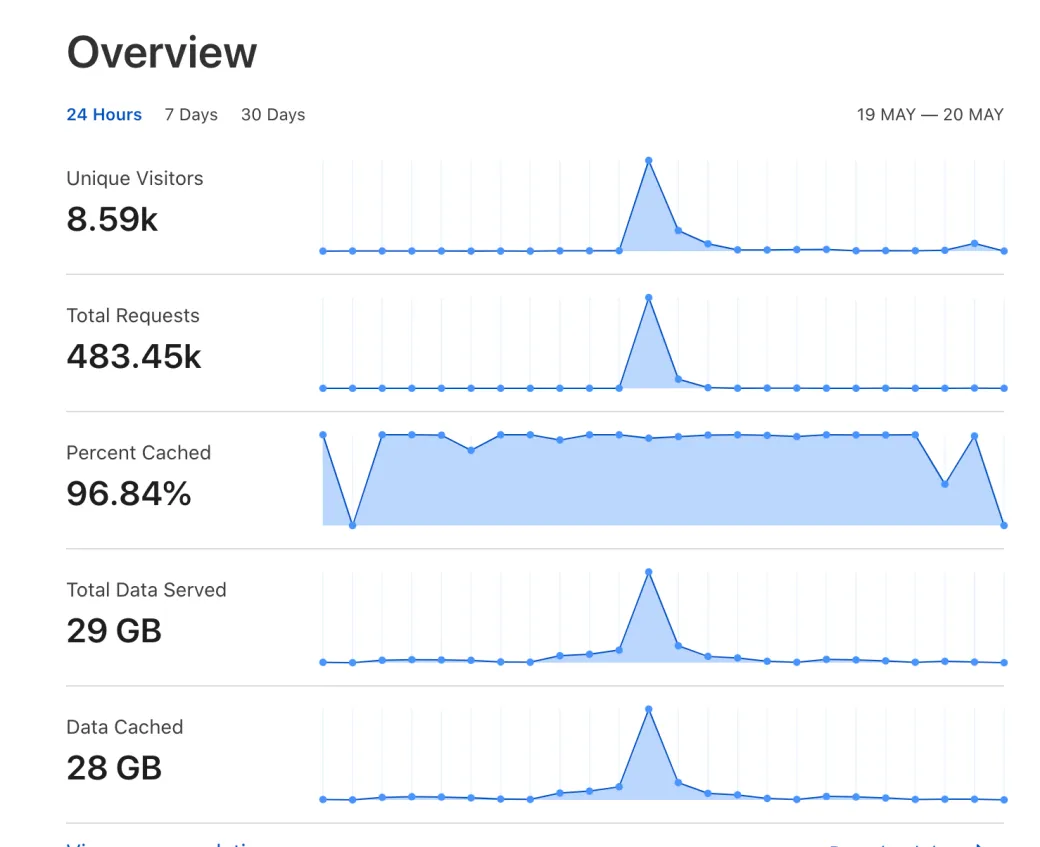
For deploying the web applications, database, reverse proxy, and resolver, Docker and Docker Compose are of great help. They make it possible to quickly launch, rebuild, modify, and stop the entire application stack or just a part of it. This is very useful, for example, for quickly scaling server power down or up depending on the situation.
Cloudflare is also used as a proxy for the production servers. This enables caching, which reduces server load times, and brings more security to the project.
Media